

Termite Control in Jefferson City
Professional Termite Control
Termites are small, wood-eating insects that live in colonies and quietly consume the structural timber and cellulose materials in homes, often without obvious signs until serious damage has occurred. Subterranean and drywood species are the most common threats, capable of hollowing beams, flooring, and framing from the inside out and leading to costly repairs if left unchecked.
For homeowners in Jefferson City, where older houses and seasonal humidity can create favorable conditions for infestations, professional termite control services are essential. Regular inspections, targeted treatments, and preventive measures protect property value and safety by detecting problems early, stopping active colonies, and reducing the risk of recurrent damage.
How To Tell if You Have a Termite Problem
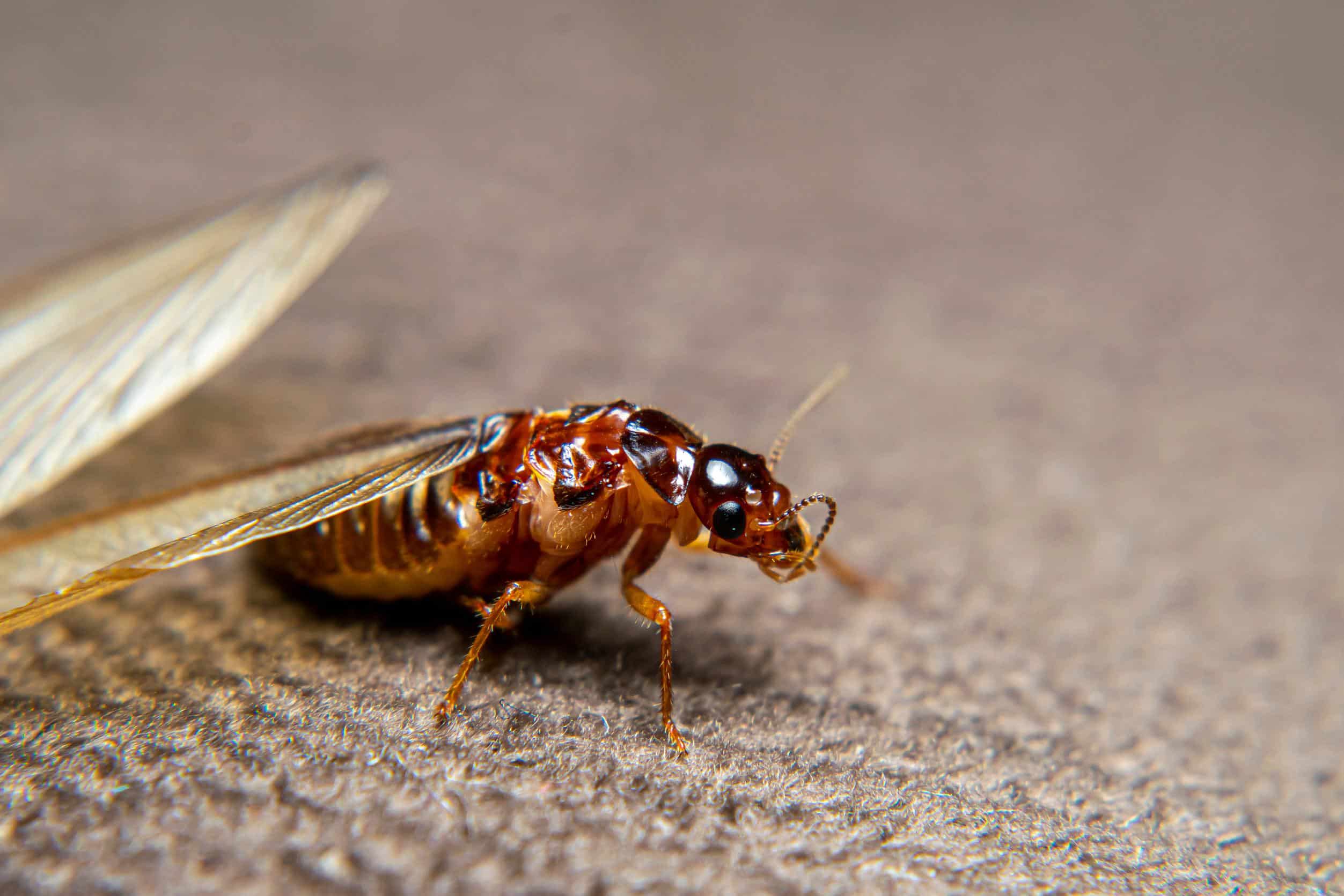
You may have a termite problem if you notice mud tubes or pencil-thin dirt tunnels running up foundation walls, piers or the outside of wooden structures, or if paint appears blistered, bubbled or peeling for no other reason; wood that sounds hollow when tapped, crumbles easily, or has maze-like tunnels inside when broken open is another strong sign. Finding piles of tiny sawdust-like droppings (drywood termite frass) or masses of discarded wings on windowsills, doorframes or near lights after a spring swarm, seeing winged swarmers inside the house, or hearing faint clicking, rustling or chewing noises in walls or floor voids at night are also indicators. Other clues include doors and windows that suddenly stick, sagging floors or ceilings, unexplained soft spots in trim or baseboards, and visible worker termites when you pry apart damaged wood; if you observe one or more of these signs, contact a pest professional for an inspection.
Frequently Asked Questions About Termite Control
What are common signs that my home might have a termite infestation?
Look for mud tubes along foundations or walls, discarded wings near windowsills or doors, hollow-sounding wood, sagging floors or ceilings, and small holes or blistering in wood surfaces.
What happens during a professional termite inspection?
A technician will conduct a thorough exterior and interior assessment, checking foundations, crawl spaces, attics, and accessible wood components for evidence of termite activity, damage, and conducive conditions. They will document findings and recommend next steps.
If termites are found, what steps will be taken to address them?
The service will identify affected areas, develop a targeted treatment and mitigation plan, repair or recommend repairs for damaged structural elements, and implement measures to reduce conditions that attract or support termites.
How can I reduce the risk of future termite problems?
Reduce wood-to-soil contact, fix moisture issues like leaks and poor drainage, store firewood away from the house, maintain proper ventilation in crawl spaces, and keep vegetation trimmed away from the structure.
Will you inspect and monitor my property after treatment, and how often should inspections occur?
Most providers offer follow-up inspections and monitoring programs; recommended inspection frequency is generally annually or whenever you notice potential signs of activity, to ensure early detection and ongoing protection.
Contact Kelly’s Wildlife Control for Expert Termite Control
If you’re dealing with a Termite problem in Jefferson City or anywhere in Central Missouri, don’t wait until the damage becomes severe. Contact Kelly’s Wildlife Control today for professional pest control services. Our team is ready to help you protect your home from these persistent pests.
Call or text our office at 573-777-0709 to schedule an inspection today!